
Front beds, island beds and borders around homes across the west shore.
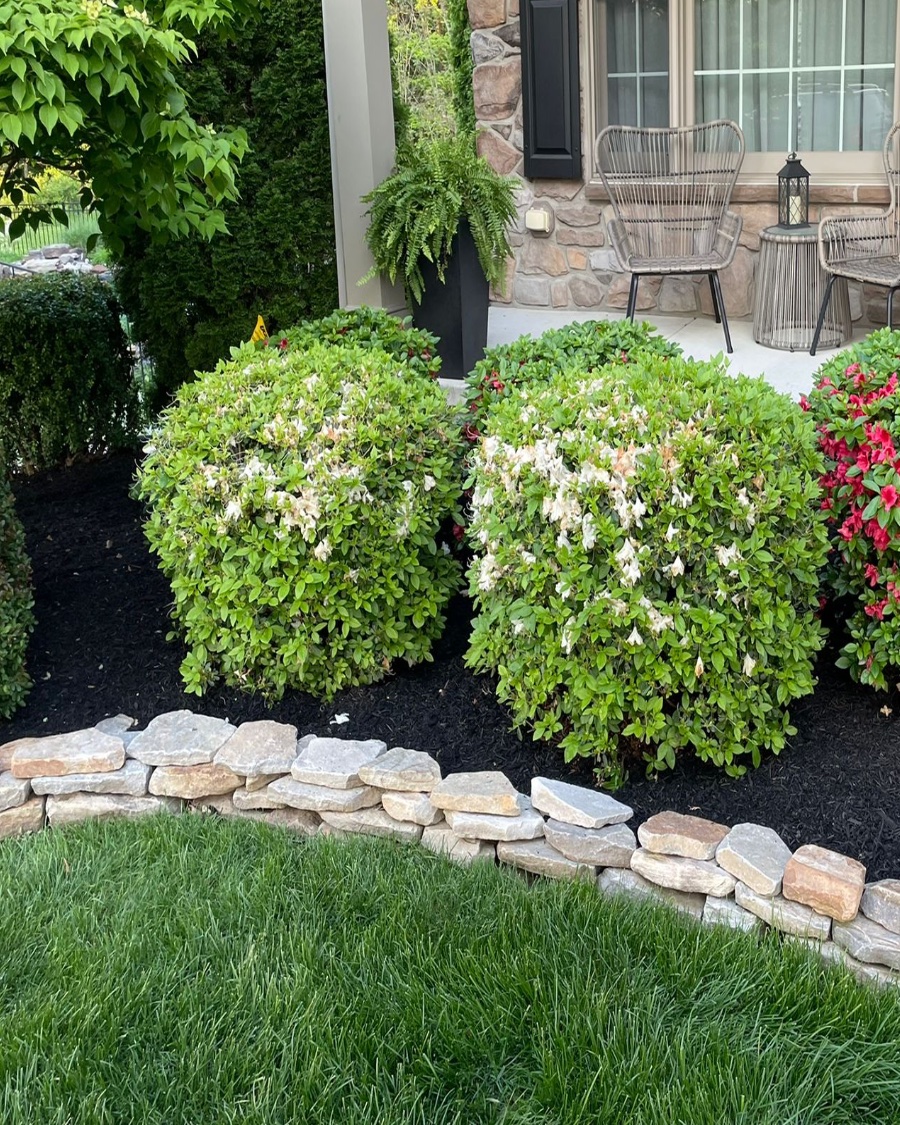
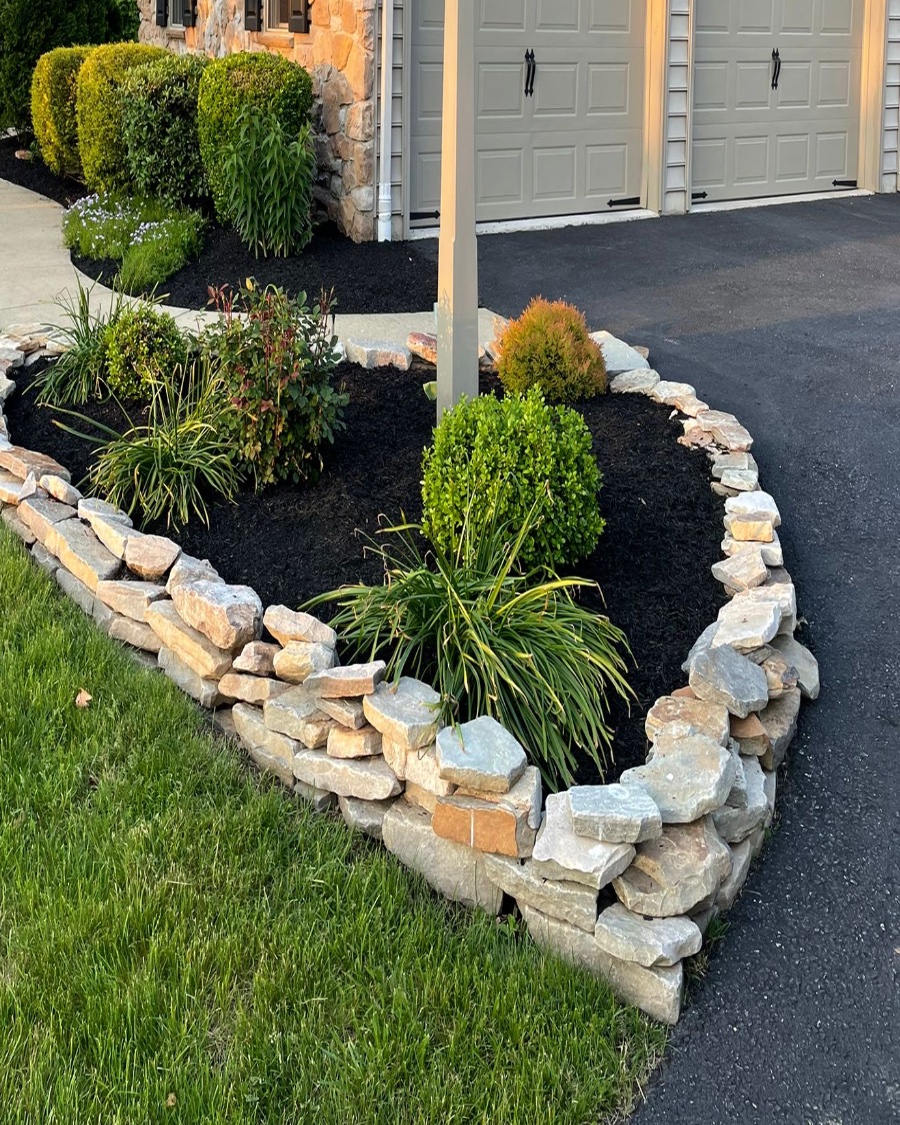
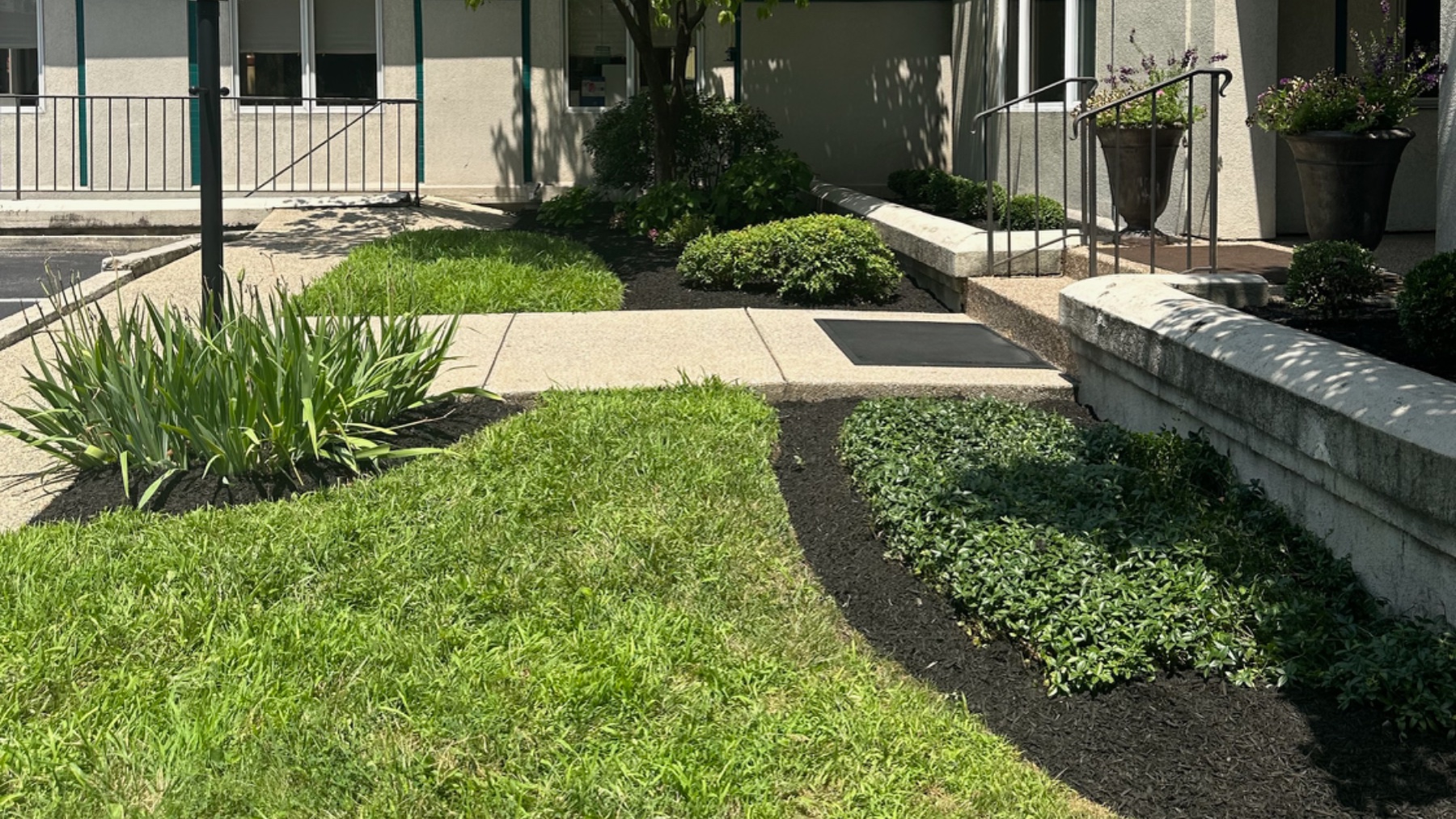
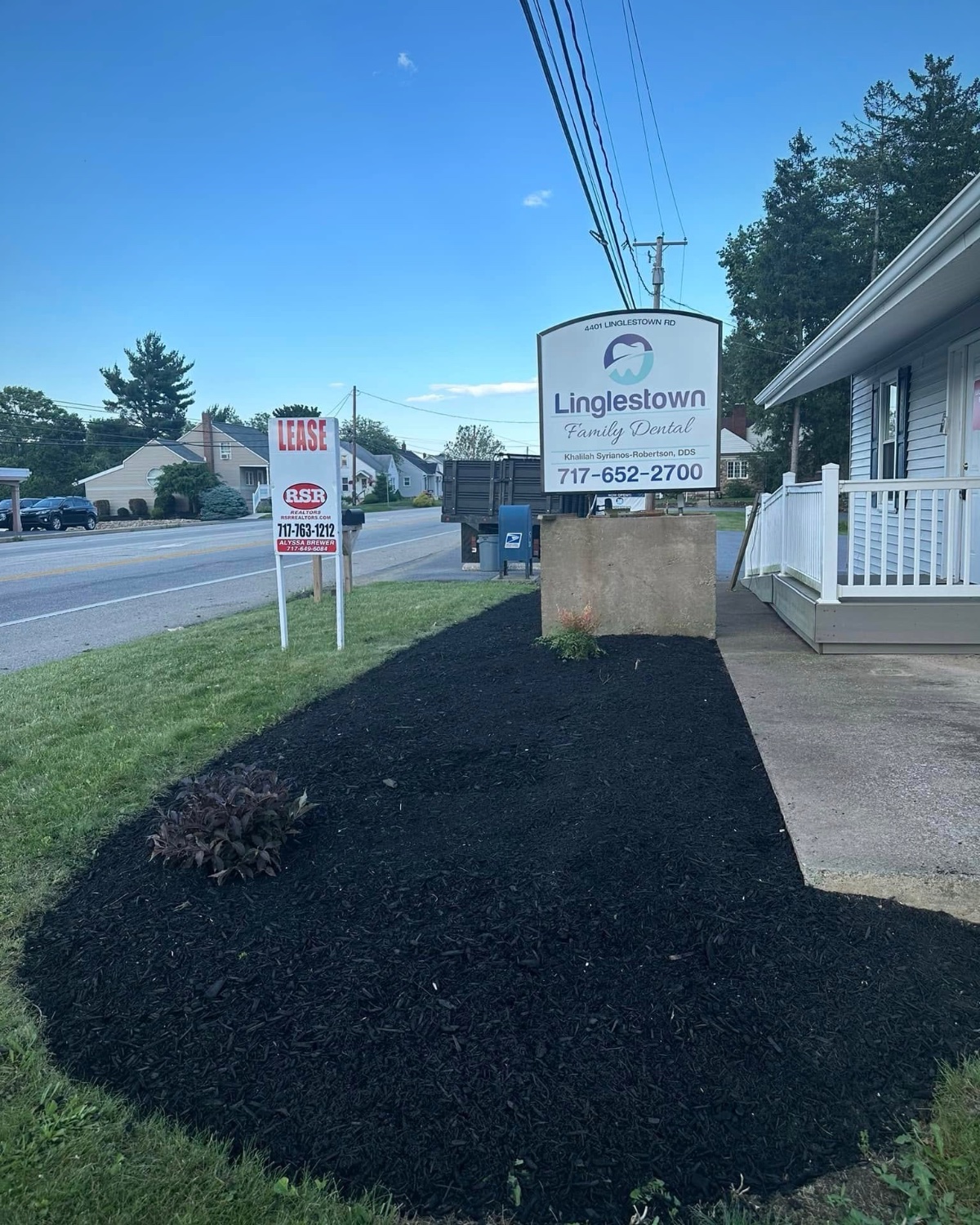
One cubic yard covers about 160 square feet at two inches, or about 108 at three. Rounded up to the half yard.
| Bed area | At 2 in | At 3 in |
|---|---|---|
| 50 sq ft | 0.5 yd | 0.5 yd |
| 100 sq ft | 1 yd | 1 yd |
| 200 sq ft | 1.5 yd | 2 yd |
| 400 sq ft | 2.5 yd | 4 yd |
| 800 sq ft | 5 yd | 7.5 yd |
Not sure of the size? Send a photo of the beds and we'll measure them when we come out.
Have us measure and install it →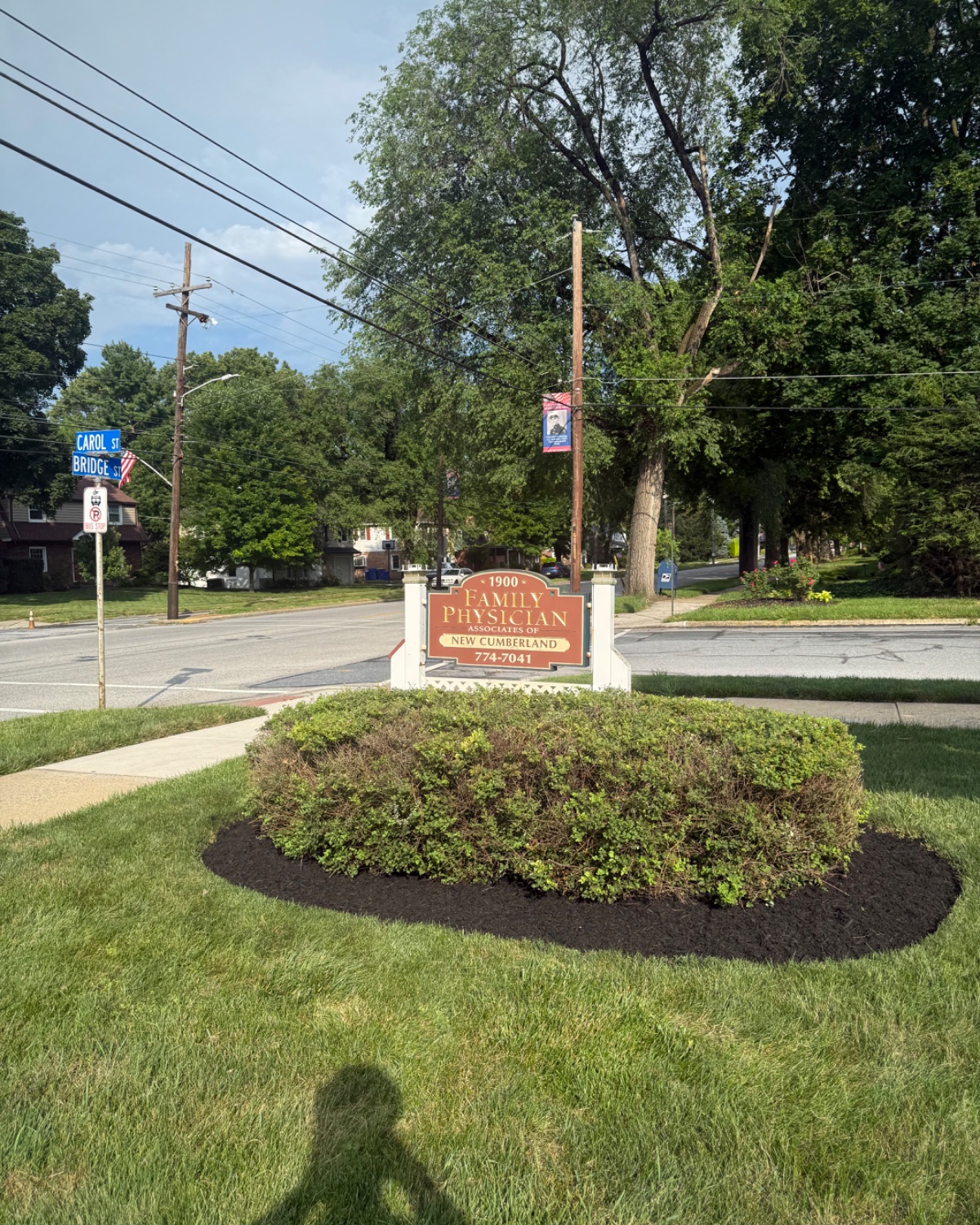
Breaks down and feeds the soil. Cheaper up front, topped up every year or two. Best in planting beds you change around.
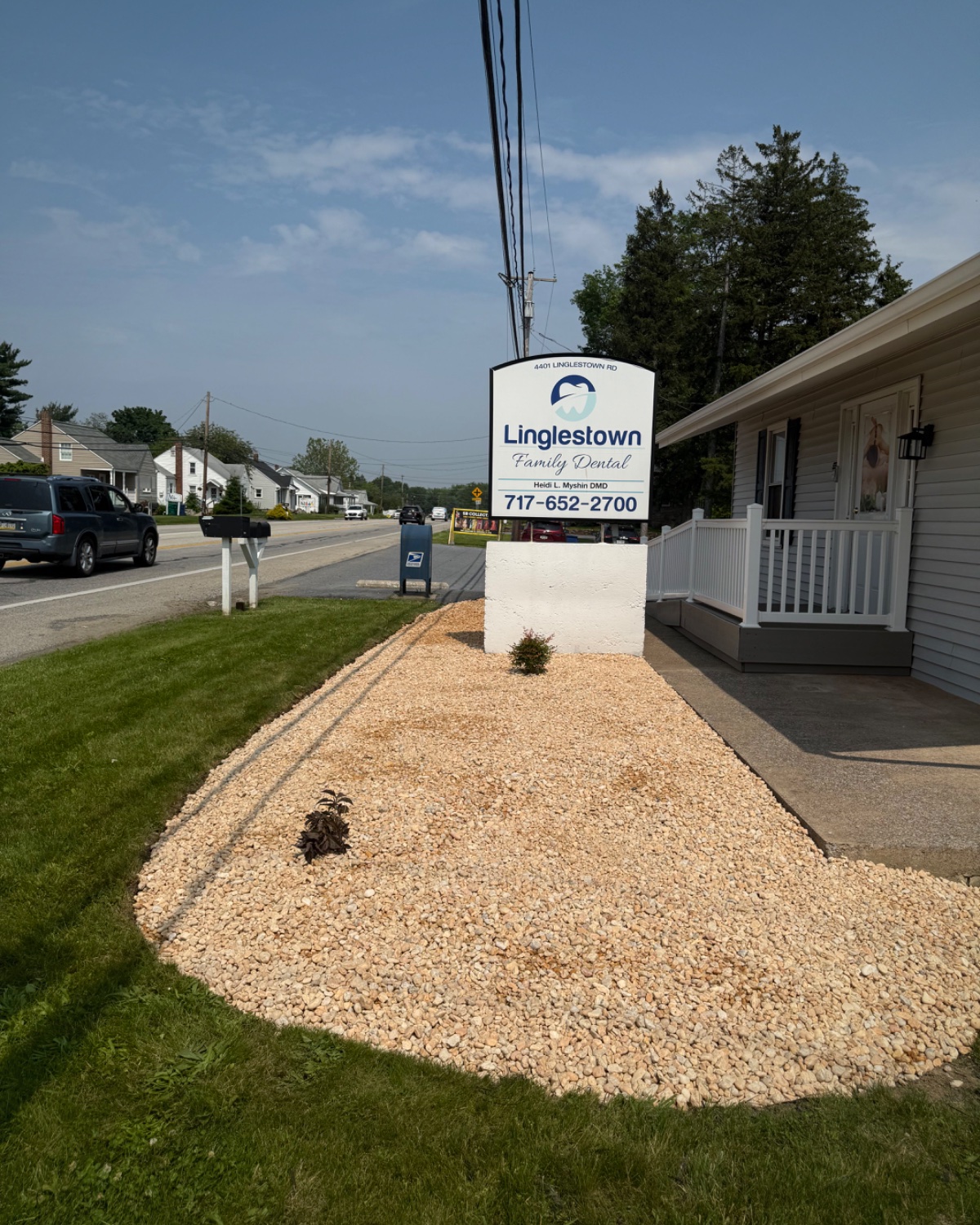
Doesn't need replacing and stays put on a slope or along a drive. Reflects heat onto plants and is hard to remove later.
Starting from bare ground? See landscape installation →
Mid to late spring, once the soil has warmed and the first weeds have shown. Mulching too early traps cold, wet soil and buries weeds that are about to come up anyway. Fall mulching helps insulate roots but does less for appearance.
Weeds come out to the root first, because burying them only delays them. Old mulch usually stays unless it has built up past about three inches; then some comes off before the new layer goes down.
Most beds look right with a light top-up once a year. Many properties alternate: a full refresh one year and just edging and touch-ups the next, which also stops the layer building up too deep.
Yes. Bed work is a regular part of our commercial grounds maintenance for offices, practices and managed properties.
Commercial landscaping →One picture tells us most of what the price needs: how overgrown the beds are, how long the edges are, and whether anything has to come out first.